

Best Vitamin C Serum by Dermatologist
Introduction
Your physician’s recommendation of the best vitamin C serum can appear to be an overwhelming challenge to locate. With so many products available on the market, none of them are exactly alike. Manufacturers often make vitamin C serums in ways. Some use L‑ascorbic acid others use gentler vitamin C derivatives. The amount of vitamin C in each product how well vitamin C stays stable the way vitamin C is delivered or packaged and the other ingredients added, all decide how good the serum will be.
People use vitamin C a lot in skin care. Vitamin C works as an antioxidant. Can make spots, uneven skin tone and photoaging look better. The American Academy of Dermatology says vitamin C can lessen skin aging and dark spots. They advise putting vitamin C on after washing the face in the morning before sunscreen.
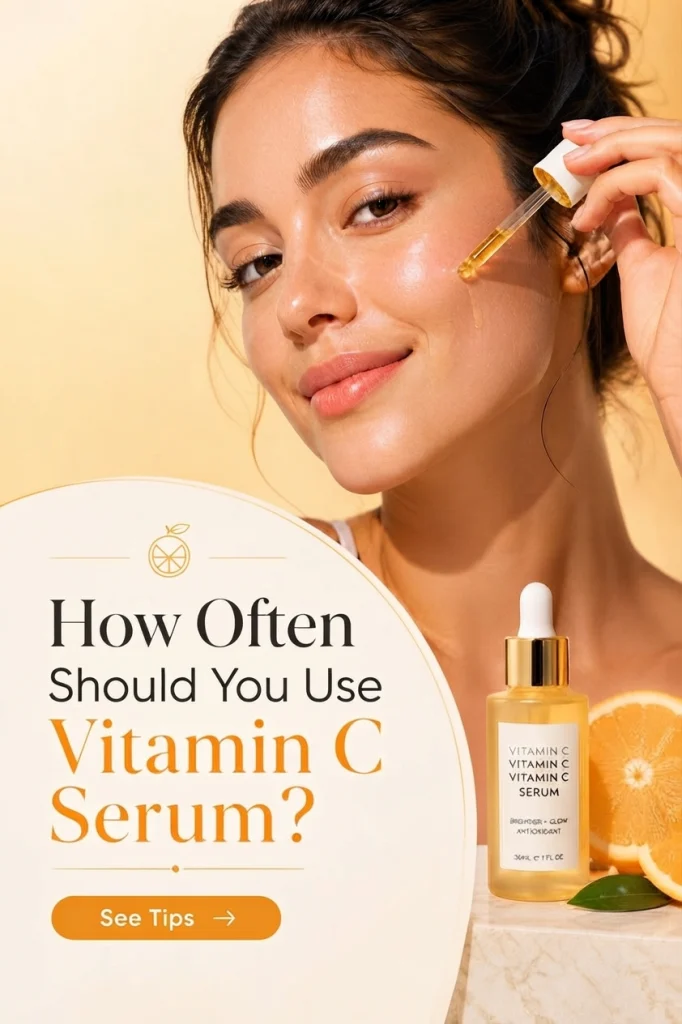
What does Best Vitamin C Serum by Dermatologist do for your skin?
Vitamin C is an antioxidant that shields skin from damage caused by things such, as ultraviolet rays and pollution. Research has also examined how applying vitamin C serum to the skin assists in producing collagen and alters pigmentation
Some of the benefits of vitamin C serum include:
* Vitamin C serum helps brighten skin that looks dull
* Vitamin C serum helps improve how dark spots look
* Vitamin C serum supports an even skin tone
* Vitamin C serum provides protection
* Vitamin C serum supports collagen production
* Vitamin C serum improves the look of lines over time
* Vitamin C serum helps reduce how pigmentation looks
A review of studies found that vitamin C serum may make uneven and wrinkled skin better. Vitamin C serum also has depigmenting properties. You may need to use it for a long time to see clear results.
What is the best type of vitamin C, for skin?
The researched form is L-ascorbic acid, called vitamin C. It has evidence. It is also unstable and can irritate some people.
Other vitamin C derivatives are:
* glucoside
* Sodium ascorbyl phosphate
* Magnesium ascorbyl phosphate
* Tetrahexyldecyl ascorbate
* Ascorbyl tetraisopalmitate
research in the field of skin care shows that the power of a vitamin C serum is not just, about vitamin C alone. The power of a vitamin C serum also has to do with the way it is made how stable it is, the level of acidity how strong it’s how it gets to the skin.
This means the best vitamin C serum is not always the one with the percentage.
Is L‑ascorbic acid
L‑ascorbic acid is often seen as the main form of topical vitamin C because it has been studied a lot.
Many good formulations use 10% to 20% vitamin C. However higher concentrations can irritate people with skin. A dermatology review says that topicals usually have 10% to 20% vitamin C while higher amounts may cause irritation, redness, itching or dryness.
Therefore you should also use Best Vitamin C Serum by Dermatologist.
Best vitamin C serum for skin
If you have sensitive skin picking the strongest serum is not always the best move.
Look for a well‑made product. Think about a vitamin C derivative if pure L‑ascorbic acid irritates. New evidence says that some derivatives like tetrahexyldecyl ascorbate and ascorbyl glucoside can be alternatives depending on your skin problem and how the serum is made.
You can also start by putting Best Vitamin C Serum by Dermatologist every morning of every day. When your skin feels comfortable you can slowly increase how often you use it.
Always patch‑test a skincare product especially if your skin reacts.
Spot and hyperpigmentation serum containing Vitamin C.
Vitamin C serum is a popular skincare product for individuals who are concerned about spots or hyperpigmentation.
Vitamin C has the ability to block melanin production by altering its action. That is why topical vitamin C has been investigated with regard to its effects on skin pigmentation and, for skin tone.
Vitamin C serum is not a treatment for severe pigmentation or melasma. Clinical evidence says it can help. Results may take time and other treatments might be needed depending on why the pigmentation happened.
If you have melasma or big hyperpigmentation a dermatologist can find the cause. Give the right treatment of Best Vitamin C Serum by Dermatologist.
Vitamin. Hyaluronic Acid Serum
You may also find Best Vitamin C Serum by Dermatologist in the store.
These ingredients can work together. Vitamin C mainly brightens the skin. Hyaluronic acid serum mainly keeps the skin hydrated.
If your skin dries when you use vitamin C choose a formula that also contains acid serum. That will make your routine more pleasant..
You do not have to buy two serums. A vitamin C hyaluronic acid serum can mix both ingredients together.
Vitamin C, with vitamin E and ferulic acid
Another popular combination is vitamin C with vitamin E and ferulic acid.
I have read that vitamin E can work together with vitamin C as part of a system. Research has also examined combinations of vitamin C and vitamin E for protection against damage.
I see that ferulic acid is another antioxidant that is frequently included in vitamin C formulations. The goal of combining these ingredients is generally to create an antioxidant formula and support vitamin C stability.
Therefore you should also use Best Vitamin C Serum by Dermatologist.
When Should You Use Vitamin C Serum?
For skincare routines Best Vitamin C Serum by Dermatologist for morning use is a choice.
A simple morning routine can look like this:
- – Cleanse your face with a cleanser.
- – Apply vitamin C serum.
- – Apply moisturizer if needed.
- – Finish with broad‑spectrum sunscreen.
I find this easy to follow.
I have read that the American Academy of Dermatology specifically recommends applying vitamin C after washing the face in the morning and before sunscreen. I trust the advice from the American Academy of Dermatology. I feel confident about this advice.
Vitamin C does not replace sunscreen. In fact sunscreen is still very important if your goal is to reduce spots, pigmentation or photoaging. Research, on melasma and post‑inflammatory hyperpigmentation shows that broad‑spectrum photoprotection is a part of managing these conditions. I am glad to know that sunscreen is still essential.
How to Choose a Vitamin C Serum
When shopping for a vitamin C serum consider these factors:
1. Vitamin C form
Check whether the product contains L‑ascorbic acid or a vitamin C derivative. Both can have a place in skincare depending on your skin type and goals.
2. Concentration
More is not always better. Many topical formulations use 10 % to 20 % vitamin C while sensitive skin may benefit from starting with a formula.
3. Stability
Vitamin C L‑ascorbic acid can be unstable. Look for products with stabilization and packaging that limits exposure to light and air.
4. Supporting ingredients
Vitamin E, acid, hyaluronic acid and other skin‑supporting ingredients may be included depending on the formulation.
5. Your skin type
The best choice for skin may not be the same as the choice for dry or sensitive skin. If you are acne‑prone you may prefer a formula.
You should use Best Vitamin C Serum by Dermatologist.
How Often Should You Use Vitamin C Serum?
If your skin tolerates vitamin C vitamin C can generally be incorporated into a routine. However beginners or people with skin may want to start slowly Best Vitamin C Serum by Dermatologist.
Apply an amount to clean, skin and follow with moisturizer and sunscreen in the morning.
If you experience burning, redness, swelling or significant irritation stop using the product. Speak with a dermatologist.
Final Thoughts
The best vitamin C serum recommended by a dermatologist is not simply the product with the concentration or the expensive price tag. A good choice depends on the form of vitamin C, concentration, stability, supporting ingredients and your individual skin type.
For people concerned about dullness, dark spots, uneven skin tone and early signs of photoaging vitamin C can be an addition to a consistent skincare routine. Evidence supports vitamin C for antioxidant, pigmentation and photo‑
If you have sensitive skin start with a formula and introduce it gradually.. If pigmentation is severe, persistent or getting worse consider seeing a dermatologist than relying on a serum alone.
Importantly use vitamin C consistently. Do not forget sunscreen. A simple routine that you can follow regularly is often more useful, than buying the product available.
FAQ
1. What is the best vitamin C serum recommended by dermatologist?
The best vitamin C serum depends on your skin type issues you have and how well your skin handles it. Dermatologists usually check for a vitamin C product that is properly made has the amount and has other ingredients that help the skin.
2. What type of vitamin C is best for skin?
L-ascorbic acid is one of the studied types of vitamin C. However vitamin C derivatives like tetrahexyldecyl ascorbate and ascorbyl glucoside can be options, for people who find pure vitamin C too harsh.
3. What percentage of vitamin C serum is best?
The best percentage of vitamin C serum depends on your skin type and tolerance. Most vitamin C serums range from ten percent to twenty percent. If you are, to vitamin C or have sensitive skin it is best to start with a lower concentration, like ten percent and slowly increase as your skin gets used to it. This helps avoid irritation while still getting the benefits of vitamin C.
4. Is vitamin C serum for sensitive skin?
Yes vitamin C serum can be used on skin. You may need a formula. Pick a percentage or a gentler vitamin C derivative and introduce the product slowly into your skincare routine.
5. Is vitamin C serum good, for spots?
It works best when combined with use of sunscreen which protects skin from further discoloration.